Dermatologist says routine laser treatments may lower skin cancer risk, not just improve appearance
Adriana Hale argues that fractionated lasers, when paired with daily sun protection and specific dietary habits, help repair DNA mutations before they turn into precancerous cells.
By Stefan Kim ·
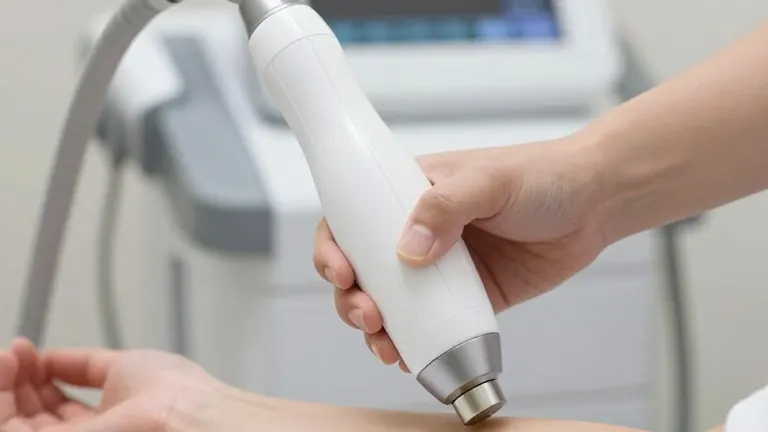
Adriana Hale, a senior vice president of the Skin Cancer Foundation, is challenging the long-held belief that laser skin treatments are strictly cosmetic. Hale, who performed a Fraxel procedure on a CBS reporter's arms and chest, states that new data supports the use of these devices to reduce the likelihood of developing basal cell carcinoma.
Hale describes Fraxel as a fractionated non-ablative laser. Unlike older methods that removed the top layer of skin, this technology delivers energy through micro thermal zones while leaving most of the epidermis intact. She notes that while she previously viewed such procedures as purely aesthetic, ten years of research have provided what she calls "really great data" showing they decrease the chances for future precancers.
The proposed mechanism involves repairing DNA mutations in the skin. Hale explains that treatments like Fraxel and pulsed dye laser paired with photodynamic therapy can remove precancerous cells. She adds that the recovery process for these modern lasers is shorter and less painful than previous iterations, with patients reporting virtually no risk of scarring.
However, Hale insists that technology alone is insufficient. She requires patients to commit to daily sun protection before she performs any procedure. Her non-negotiable recommendation is a broad spectrum sunscreen with an SPF of 30 or higher, applied after cleansing and moisturizing. She also favors moisturizers containing DNA repair enzymes, which she says help remove mutations overnight.
Beyond topical products, Hale points to internal biology as a factor. She prescribes a diet rich in colorful fruits, vegetables, and protein to support collagen synthesis. Specifically, she highlights antioxidants and polyphenols, found in blueberries, sweet potatoes, acai, and green tea. She claims these compounds neutralize free radicals and slow down mutations in the skin caused by environmental toxins.
For women approaching menopause, Hale advocates for hormone replacement therapy. She notes that the drop in estrogen during perimenopause causes skin to become sallow and wrinkly. Hale believes most women should use some form of hormone therapy, arguing it benefits muscles and skin. She even approves of using vaginal estrogen cream under the eyes to target thin skin areas.
The dermatologist advises patients to start with consistent basics: exercise, water, and daily sunscreen. If those measures are not enough, she suggests consulting a specialist for prescriptions or laser work. She does not recommend collagen supplements unless a medical professional advises them, preferring whole food sources for skin repair.
Hale’s approach combines high-tech interventions with fundamental health habits. The goal is to treat the skin as a reflection of overall health, using lasers to reverse existing damage while using diet and hormones to maintain the organ's structural integrity.
Source: CBS News