Greece Mandates Age Verification for Social Platforms Ahead of 2027 Deadline
New legislation forces tech firms to deploy reliable age checks for users under 15, setting a stricter standard than current EU proposals.
By Sofia Wisniewski ·
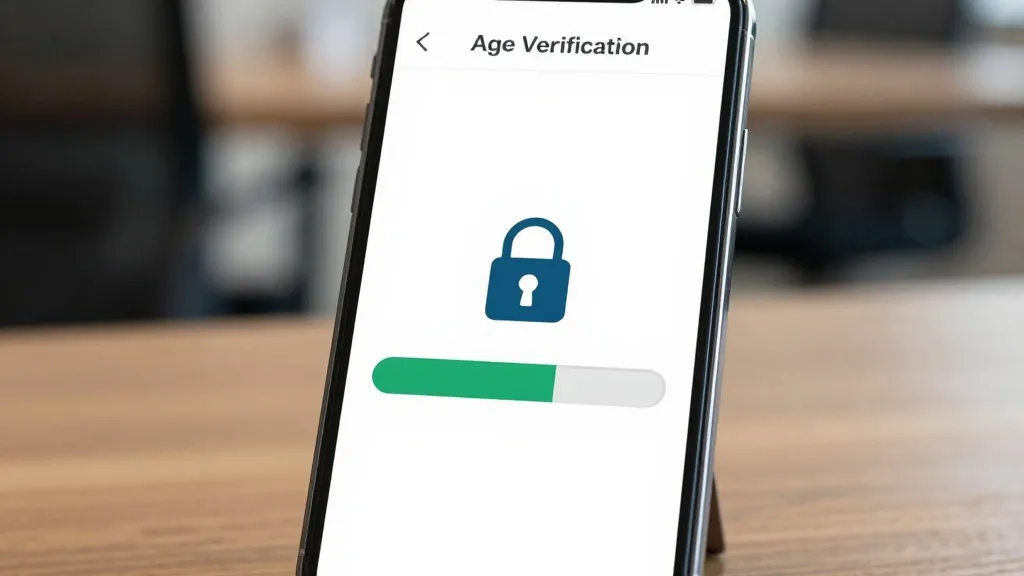
Greece has moved to force a structural shift in how social media companies handle young users, enacting a binding ban on accounts for those under 15. The measure, which takes effect on January 1, 2027, creates immediate compliance pressure for major platforms such as TikTok, Instagram, Facebook, and X. These services must now implement proportionate and reliable age-verification systems to determine who can access their digital spaces.
The legislative push follows an announcement by Prime Minister Kyriakos Mitsotakis earlier this year. He described the bill as difficult but necessary, positioning it as a foundational step within the European Union. By acting unilaterally, Athens is setting a precedent that may influence broader regulatory frameworks across the continent. The law is among the first of its kind to be imposed in the EU, marking a significant escalation in digital governance.
Dimitris Papastergiou, the minister for digital governance and AI, argued against the status quo in a statement. He noted that it would have been easy to wait for a perfect European law, but the challenge is present. He stated that children are sinking into the internet every day, and a responsible government must act. This sentiment reflects a growing business case for proactive regulation in the tech sector.
Compliance with the new act is not voluntary. Platforms that fail to meet the requirements face fines under the EU's Digital Services Act. This financial penalty adds a tangible cost to non-compliance, forcing companies to allocate resources toward age-verification technology. The regulatory environment is thus shifting from guidance to enforcement.
The law also places a burden on households. Parents are required to download state-backed applications called Kids Wallet or Gov.gr. These apps must be paired with their child's device to block access if age verification fails. Papastergiou explained that these tools are designed to protect privacy and minimize data collection. They use age tokens to confirm a user's age while limiting the disclosure of personal data, a feature that may influence future app development strategies.
The political path to this legislation was not without friction. Minority parties in Greece opposed the bill, but the government's majority allowed it to pass. This follows a 2024 rule that barred mobile phones in schools. Opinion polls indicate that the adult population widely supports the new social media ban, suggesting a strong public mandate for the policy.
Mitsotakis has stated that the goal is to push the European Union in the same direction. The European Commission has recently introduced the EU Kids Act to address similar concerns. However, that proposed law stipulates an outright ban only for children under 13, a lower threshold than the Greek standard. This discrepancy highlights a potential regulatory gap that Athens aims to close.
The move follows Australia, the first nation to enact a full social media ban for kids. While Australia's approach has been a benchmark, its age verification methods have proved challenging to implement. Greece's legislation, with its specific mandate for reliable verification and state-backed apps, offers a different model. As 2027 approaches, the tech industry will be watching closely to see how these Greek requirements are enforced and whether they become the new market standard.
Source: Engadget · original report published
More Business · Consumer Alerts · Report a business · Got a Story?