NASA Reveals 22 Launches Needed for Artemis Lunar Mission
A former astronaut on the safety advisory panel estimates that 22 Starship flights are required to fuel a lunar lander, challenging previous optimistic timelines.
By Luis Fernandez ·
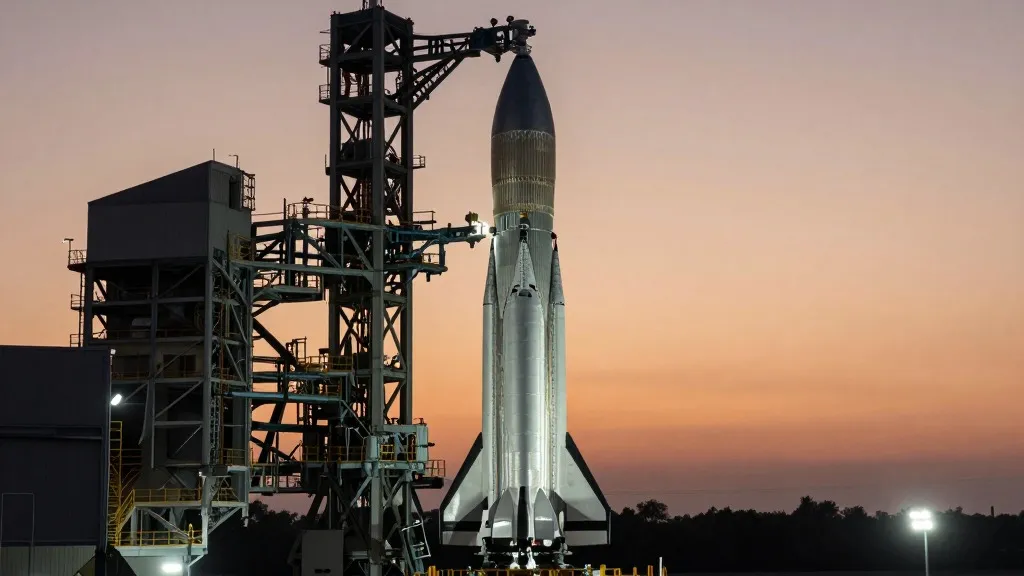
The figure of 22 has finally broken through NASA’s long-standing silence regarding the logistical demands of the Artemis program. This specific count represents the estimated number of SpaceX Starship launches required to construct a fuel depot in low-Earth orbit, providing sufficient liquid oxygen and methane to propel a crewed lander to the Moon, execute a landing, and return the vehicle to lunar orbit. For years, the agency has treated this metric with the discretion of a classified codeword, reluctant to pin down a precise number that would define the program's feasibility and cost structure.
The trajectory of this estimate has been erratic throughout the decade. In 2023, Lisa Watson-Morgan, then the director of NASA’s Human Landing System, expressed hesitation to provide an exact figure to Ars Technica, stating, “We have a general idea, but I’m reluctant to say exactly what that is.” Subsequent comments from officials suggested the number fell within the “high single digits to the low double digits,” implying roughly a dozen launches. Other insiders have cited figures in the “high teens,” reflecting an ongoing hope that SpaceX would significantly boost Starship’s lift capacity, thereby reducing the total number of tanker flights needed to service the depot.
However, recent internal assessments suggest that these efficiency gains may not materialize quickly enough. Concerns are growing among certain NASA officials that the Starship rocket may not play a meaningful role in returning humans to the Moon within the current decade. The latest data point emerged on Thursday during the quarterly meeting of the NASA Aerospace Safety Advisory Panel. During the session, Charlie Precourt, a former NASA astronaut and panel member, discussed the risks associated with the Artemis program and the specific requirements for landing humans on the lunar surface.
This disclosure marks a significant shift in how the agency communicates its operational constraints. By moving from vague ranges to a specific double-digit estimate, the panel is signaling that the logistical burden of the mission is heavier than previously publicized. The number 22 implies a sustained campaign of launches, requiring SpaceX to execute a sequence of depot and tanker missions with high frequency and reliability. This level of activity places immense pressure on the launch cadence and the robustness of the Starship hardware in its current configuration.
The implication for the Artemis timeline is stark. If the lift capacity of the Starship vehicle does not improve dramatically in the near term, the window for a crewed lunar landing this decade narrows considerably. The agency must now reconcile its public goals with the engineering reality of fueling a heavy spacecraft in orbit. The 22-launch requirement serves as a critical benchmark for both NASA’s planning and SpaceX’s development roadmap, establishing a concrete target that will determine whether the lunar return stays on schedule or slips further into the future.
Source: Ars Technica