Apple Raises iPhone Duo Production Target to 14 Million Units Amid Surging Demand
The tech giant has significantly increased manufacturing orders for its new folding phone after initial supply could not keep pace with record-breaking pre-orders.
By Arjun Shah ·
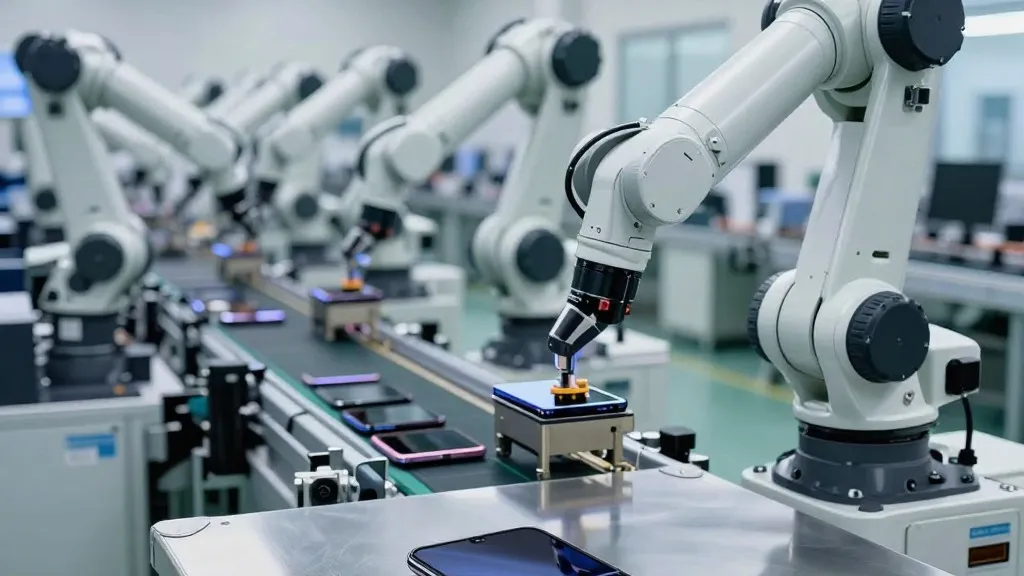
Apple has raised its shipment target for the iPhone Duo to 14 million units over the next year, a jump from the initial 9.7 million. This significant increase in production reflects the company’s response to what it has termed "extraordinary" demand for its first folding smartphone. The move comes after supply chain reports indicated that the company needed to boost orders by more than 40% to meet the surge in interest.
The situation began to unravel almost immediately after pre-orders opened on Friday. Within roughly a minute, delivery dates for early buyers started to slip, with some estimates extending as far as late January. At the time, it was unclear whether these delays were caused by a genuine spike in consumer interest or simply a logistical hiccup in supply. However, the latest reports from DigiTimes, citing supply chain sources, suggest the former is the primary driver.
To manage the influx of orders, Apple implemented a policy limiting purchases to a maximum of two units per customer. This measure was specifically designed to combat scalping, a common issue during high-demand product launches. While the company frequently uses the phrase "extraordinary" to describe new iPhone launches, the immediate shift in shipping estimates pointed to a different level of anticipation for this specific device.
As the initial wave of orders was processed, some customers began to receive earlier estimated shipping dates than they had originally been given. This adjustment aligns with the recent reports that Apple is ramping up production capabilities. The company expects the strong demand to persist throughout the first 12 months of the product's lifecycle, prompting the decision to scale back their inventory targets substantially.
For early adopters, the transition to the new hardware has come with a few immediate challenges. The most notable issue is that many third-party applications have not yet been fully optimized for the folding screen. While Apple states that the situation is improving rapidly as developers integrate support for the new form factor, the lack of native optimization remains a point of friction for users.
Initial reviews from those who have spent a week using the device offer a consistent perspective on these early hurdles. App support is cited as one of the five key takeaways from this period of use. Users are finding that while the core functionality is solid, the ecosystem around the device is still catching up to the hardware's capabilities.
Another significant point of discussion in the early reviews is the security interface. The iPhone Duo currently utilizes Touch ID, a move that some view as a step back from the facial recognition system used in other recent models. This decision has generated debate among tech enthusiasts and consumers alike, particularly given the advanced nature of the folding display.
Despite the current reliance on Touch ID, reports suggest that Apple is already looking ahead to the next iteration of the device. The company is reportedly testing prototypes for the iPhone Duo 2 that incorporate Face ID. This indicates that the current security setup may be a temporary measure for the first generation, with a return to facial recognition expected in future updates.
The rapid escalation in production targets underscores the competitive landscape in the folding phone market. By boosting orders by over 40%, Apple is signaling its confidence in the product's long-term viability. The shift from 9.7 million to 14 million units is not just a logistical adjustment but a strategic commitment to meeting sustained consumer interest.
As we move forward, the focus will shift to how quickly the software ecosystem matures. While the hardware is now being manufactured at a higher rate, the user experience will depend heavily on third-party app optimization. With Apple actively testing next-generation features like Face ID for the Duo 2, the current limitations of the iPhone Duo appear to be part of a broader, iterative development strategy.
Source: 9to5Mac · original report published