Musk Promises Texas Chip Plant Output That Could Rival a National Economy
Tesla and SpaceX are accelerating equipment deliveries for a massive new semiconductor facility in Texas, aiming to produce chips for AI and robots by 2028.
By Stefan Kim ·
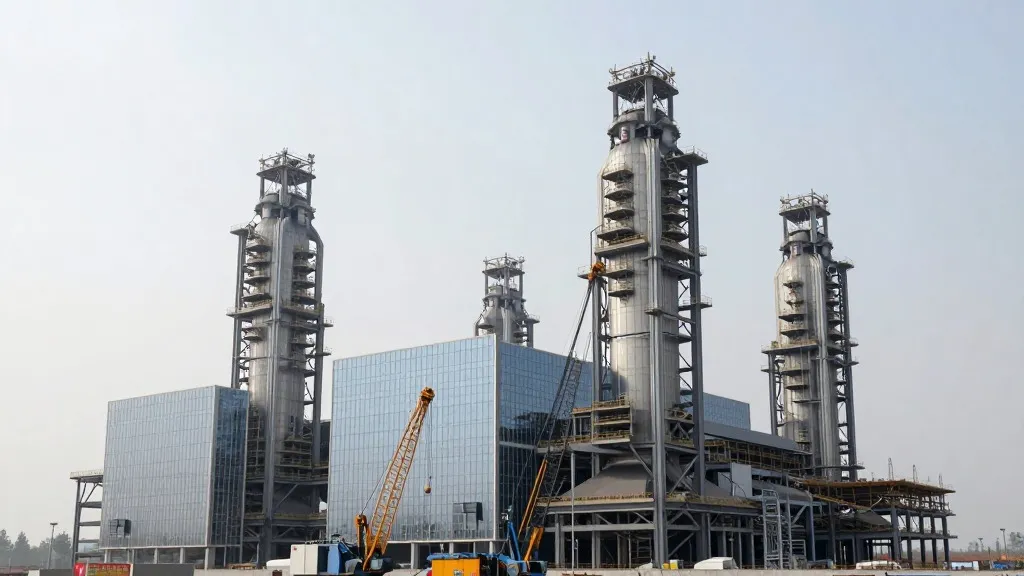
For consumers and businesses relying on artificial intelligence, the race to secure processing power may intensify as a new, massive manufacturing hub begins to take shape in Texas. Elon Musk announced that suppliers are moving equipment faster than originally planned to support a joint project between Tesla and SpaceX. This accelerated timeline aims to have a fully operational chip factory producing volume chips by the end of 2028, a goal Musk described as highly ambitious.
The project, known as Terafab, represents a significant shift in how advanced semiconductors are created in the region. During a live broadcast of SpaceX’s third-quarter 2026 earnings call on October 20, Musk stated that critical partners, including ASML, are expediting shipments of essential machinery. He emphasized that the target dates are aggressive and carry significant uncertainty, referring to them as having "big error bars." The facility is designed to be vertically integrated, meaning it will handle logic, memory, and advanced packaging all under one roof.
The path to this goal began with strategic partnerships formed earlier this year. In April 2026, Intel joined the venture to help develop and refactor silicon fabrication technology, specifically providing access to its 14A manufacturing process. This collaboration allows Terafab to utilize extreme ultraviolet lithography systems. ASML, the only commercial supplier of these $400 million EUV machines, is a pivotal partner in this effort. Unofficial sources had previously suggested the first EUV tool might arrive in mid-2027, though it remains unconfirmed if this aligns with the newly announced expedited schedule.
Beyond the core lithography equipment, the supply chain for Terafab includes a wide array of manufacturers. American firms such as Applied Materials, Lam Research, and KLA Corporation are providing front-end processing and metrology machinery. Japan’s Tokyo Electron is also part of the group. Additionally, Tesla and SpaceX are in discussions with approximately ten South Korean equipment makers, including Hanmi Semiconductor and HPSP, to source specialized packaging, annealing, and piping components. These collaborations are necessary to meet the facility's enormous planned output.
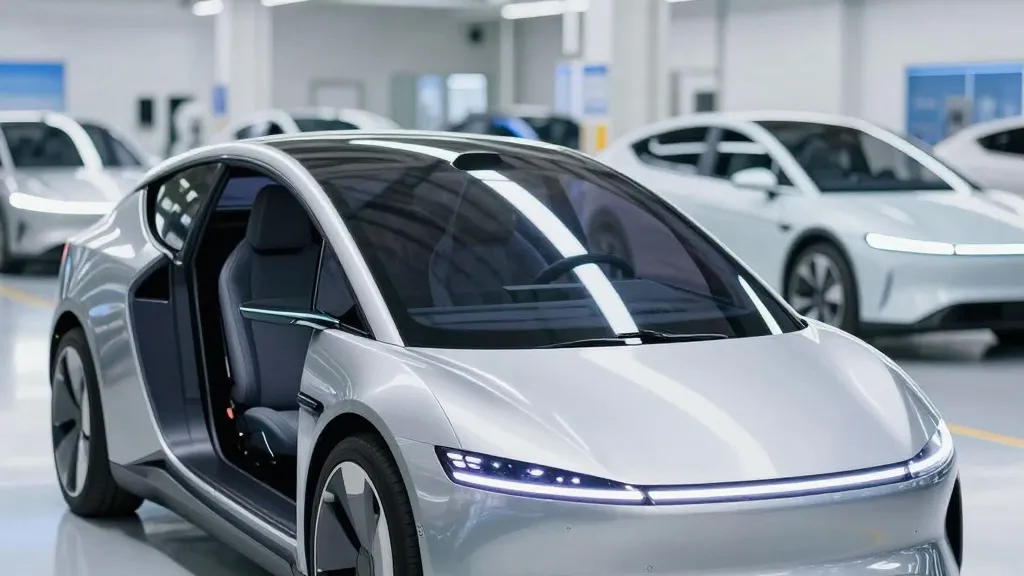
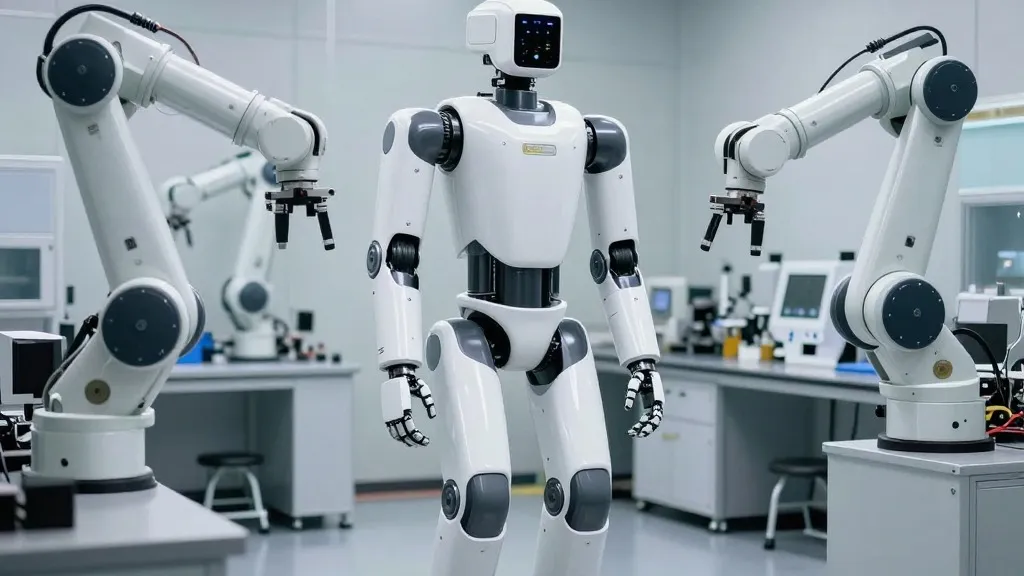
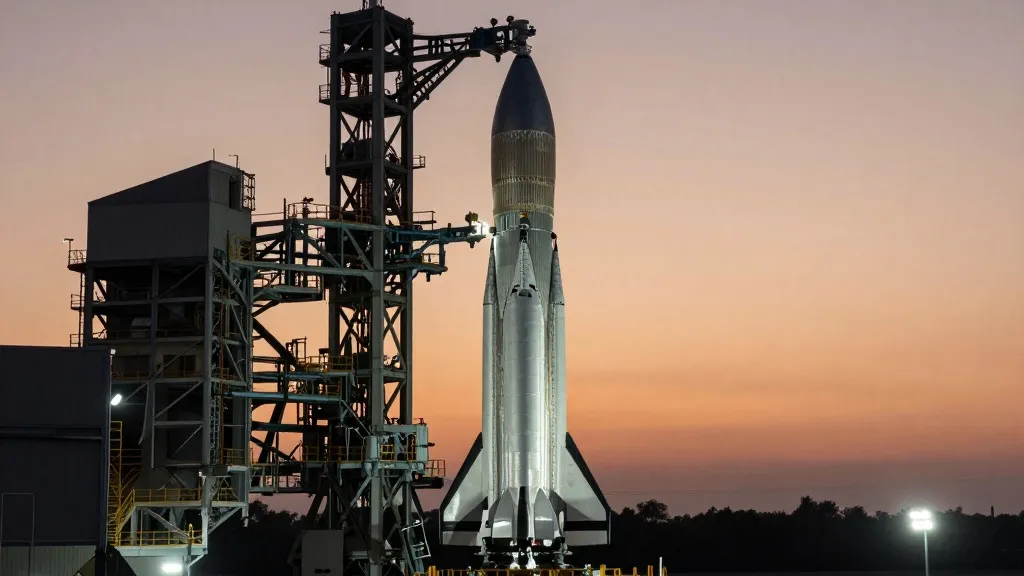
The ultimate aim of Terafab is to manufacture one terawatt of AI computing power annually. Musk claimed that if the facility reaches full scale, the commercial value of its chip output would be comparable to the GDP of the 20th largest economy in the world. For context, Switzerland currently holds that position with a GDP of approximately $1.14 trillion. The chips produced here are intended to supply Musk’s xAI clusters, Tesla’s self-driving vehicles, Optimus humanoid robots, and SpaceX’s orbital data centers, while also serving the broader AI industry.
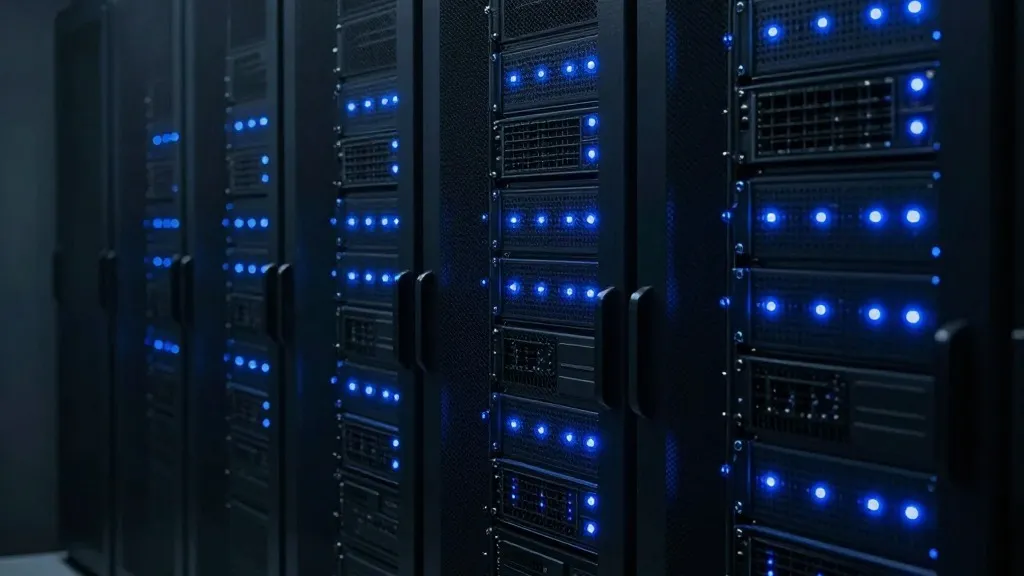
This manufacturing push comes alongside other major infrastructure announcements from Musk’s companies. During the same broadcast, he outlined plans for his AI entities to have 2.5 to 3 gigawatts of computing capacity active by the end of 2026. He expressed high confidence in adding another 10 gigawatts in 2027, predicting a total of 13 gigawatts by the end of that year. To achieve this, SpaceX and xAI are procuring next-generation NVIDIA hardware, with plans to bring an online training cluster of 440,000 Nvidia "Vera Rubin" GPUs by the end of the second quarter of 2027.
Despite the aggressive targets, industry experts have raised questions about the feasibility of the one-terawatt ambition. Research firm Gartner estimates that total global AI-optimized data center capacity is roughly 44 gigawatts as of late 2026. This figure represents only 4.4% of Terafab’s planned output. However, data from EpochAI indicates that global AI computing capacity has been growing at a rate of roughly 3.3 to 3.4 times per year since 2022, suggesting the market is expanding rapidly even as new supply comes online.
The next steps involve finalizing the procurement of specialized equipment and continuing negotiations with South Korean partners. As the timeline tightens, the focus will remain on whether the expedited deliveries from suppliers like ASML can maintain pace with the construction and operational milestones. The success of Terafab could significantly alter the landscape of chip production, potentially reducing reliance on external foundries like TSMC for cutting-edge AI processors.
Source: Tom's Hardware · original report published