Tesla profit falls despite margin recovery
The automaker's third quarter results show a stabilizing revenue base but a significant drop in net income due to heavy spending on future technologies.
By Stefan Kim ·
Tesla entered its third quarter earnings report facing a distinct challenge. The company needed to prove that its profit slide had stopped after a weak second quarter where operating margins hit a low of 1.4 percent. While Wall Street expected a flat performance, the results revealed a complex picture of recovering margins offset by aggressive spending on artificial intelligence and new vehicle platforms. The core tension remains whether Tesla can sustain profitability while pouring billions into its long-term technological bets.
Revenue held steady at 28.05 billion dollars, matching analyst expectations and remaining flat compared to the same period last year. However, the bottom line showed a clear decline. Non-GAAP earnings per share came in at 0.48 dollars, which beat the consensus estimate of 0.45 dollars but still represented a 4 percent drop from the 0.50 dollars reported a year ago. On a GAAP basis, net income fell 43 percent to 787 million dollars, or 0.22 dollars per share. This indicates that while the top line is stable, the company is earning less for every dollar of sales compared to the previous year.
The recovery in margins provides some positive context for investors. Total gross margin rose to 19.6 percent, a significant improvement from 16.8 percent in the second quarter. Specifically, automotive gross margin excluding regulatory credits climbed to 18.1 percent, up from 16.3 percent in the prior quarter. This improvement is attributed to a better regional and product mix, as well as increased revenue from Full Self-Driving subscriptions. Despite this, operating income still dropped 56 percent year-over-year to 718 million dollars because spending on research and development grew faster than gross profit.
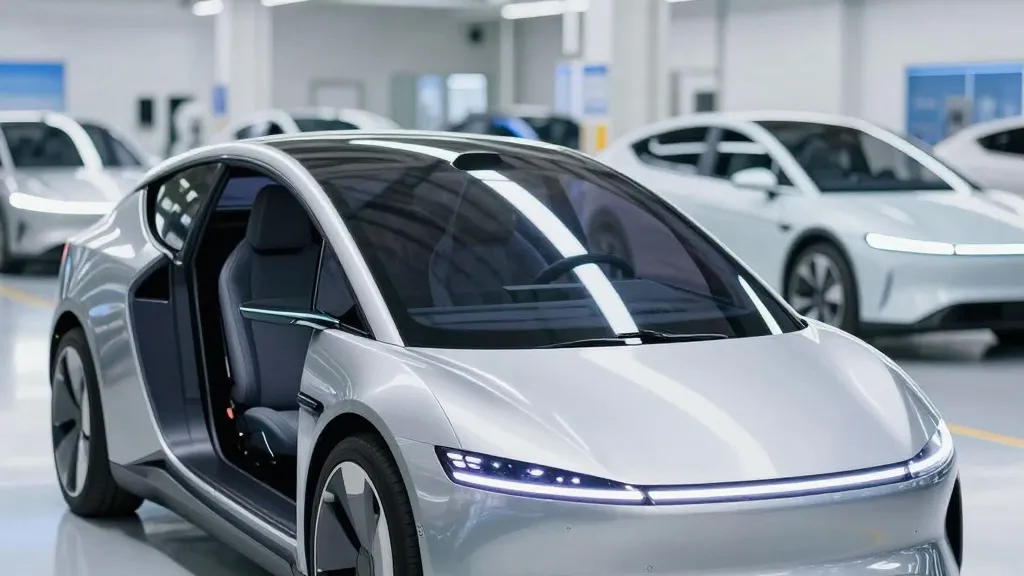
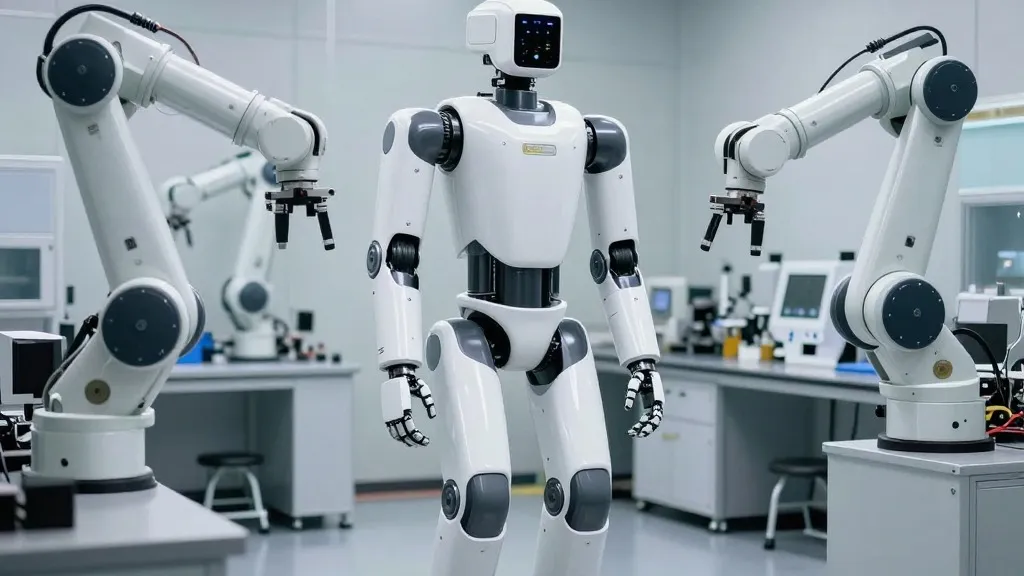
The primary driver of the profit decline is the surge in operating expenses, which jumped 39 percent to 4.78 billion dollars. Research and development costs alone increased 69 percent to 2.76 billion dollars as Tesla invests in its Super Intelligence project, the Optimus robot, and the Cybercab. Additionally, stock-based compensation reached 1.17 billion dollars, up from 663 million dollars a year ago. Capital spending also doubled to 4.73 billion dollars, though this remains below the company's original guidance for the year. This heavy investment pace is squeezing current profits in exchange for future capabilities.
Tesla is blaming battery availability for its flat sales volume, stating that supply constraints limited production. The company ended the quarter with its largest passenger vehicle backlog in four years. Deliveries fell 2.1 percent year-over-year, with the non-core models like the Cybertruck and Model S and X seeing a 48 percent drop. While the company claims supply issues are the cause, average selling prices continued to fall, a pattern more typical of demand challenges than supply constraints. Energy storage revenue also declined 16 percent to 2.88 billion dollars due to tariff-related refunds, though the segment's gross margin improved significantly to 33 percent.
Looking ahead, the outlook remains mixed. Tesla has pushed its unsupervised Full Self-Driving rollout to the second quarter of 2027, limited to Robotaxi zones. The company also reported that active FSD subscriptions reached 1.74 million, a 67 percent increase. However, the massive capital expenditure planned for the rest of the year raises questions about cash flow sustainability. With free cash flow at 1.53 billion dollars, down from 3.99 billion dollars a year ago, Tesla must balance its ambition to build future technologies with the need to maintain financial health in the near term.
Source: Electrek · original report published
More Business · Consumer Alerts · Report a business · Got a Story?