Tokyo renters accept discount for apartments with suicide histories
A 25-square-meter apartment in Setagaya costs 45,000 yen monthly due to a known death, a 30 percent reduction from standard market rates.
By Sofia Wisniewski ·
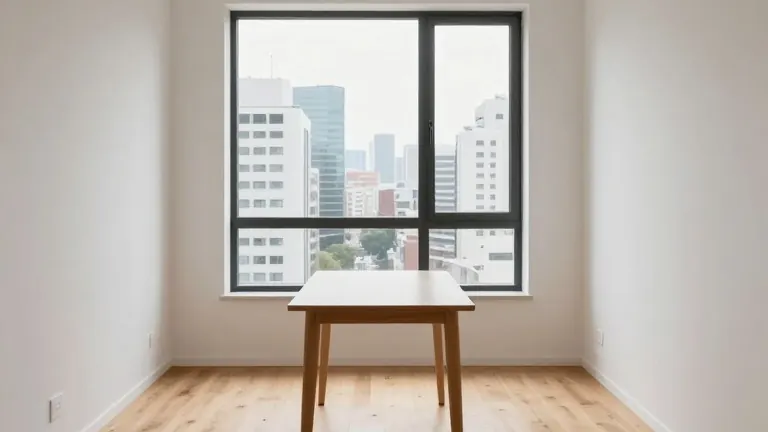
Ryua, an entertainer who keeps her surname private, pays 45,000 yen per month for a 25-square-meter studio in Tokyo's Setagaya ward. The unit would typically command 62,000 yen. The difference stems from a disclosure that a man committed suicide inside the apartment. Ryua accepted the property after spotting a figure during her initial viewing that the estate agent could not see. She has lived in the space for four years and reports hearing footsteps and voices regularly.
Her situation illustrates a growing market for jiko bukken, or incident properties. These are residences where a death occurred under specific circumstances, such as murder, suicide, fire, or an extended undetected death. The Japanese government issued guidelines in 2021 requiring estate agents to disclose these events. For rentals, the disclosure period lasts three years. For sales, the history must be revealed indefinitely.
The discount varies by location and the nature of the incident. In rural Kagoshima, Diane Tincher purchased a three-bedroom house for 20 million yen. Similar properties in that area typically sell for up to 45 million yen. The price reduction was attributed to an elderly woman dying alone in the home. Tincher, a 79-year-old American tour guide who has lived in Japan for nearly 40 years, found the listing on Oshimaland, a crowdsourced website for stigmatized properties.
Oshimaland was launched in 2005 in Tokyo and expanded internationally in 2011. Founder Teru Oshima notes that these homes were once unattractive options for buyers. However, rising housing costs have shifted consumer behavior. A 2025 survey indicated that more than half of Japanese people would now rent an incident property if the price was low enough.
Tokyo estate agent Erik Oskamp explains that cultural aversion to these spaces remains strong. He notes that even apartments near cemeteries are difficult to lease if tombs are visible from the kitchen. Suicides are considered the most problematic history for a property. Renters often move out if they learn of such an event, even if the death occurred in a neighboring unit or on the roof.
International comparisons show differing legal standards. In the United Kingdom, there is no legal requirement to disclose deaths in a property. In the United States, rules vary by state. California requires disclosure of deaths within the past three years, while Arizona and Oregon do not require such disclosure.
Tincher states that she does not believe in ghosts but acknowledges the superstitious nature of the local market. She views the financial savings as a benefit. Ryua describes her ghostly presence as a former human deserving of respect. Both women continue to occupy their discounted homes, prioritizing affordability over the property's history.
Source: BBC News
More Business · Consumer Alerts · Report a business · Got a Story?