Cyber agency orders offline maintenance as attack volume surges
Australian Signals Directorate reports 1,500 incidents and 4,400 external alerts, urging organizations to prioritize security over uptime.
By Sofia Wisniewski ·
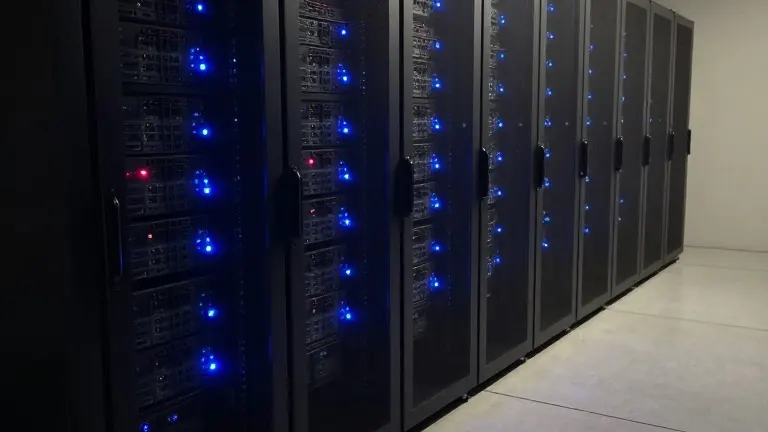
The Australian Signals Directorate has instructed public and private entities to expect temporary blackouts in essential digital services. The agency issued this warning in its annual cyber threat report, stating that securing systems now takes priority over maintaining constant access. This shift in protocol acknowledges that taking networks offline for repairs is a necessary cost of defense against a rising tide of digital attacks.
The data behind this directive shows a sharp escalation in threat activity. During the 2025-26 fiscal year, ASD handled 1,500 cybersecurity incidents, a 20% jump from the prior year. The agency also flagged more than 4,400 potentially malicious events to external organizations, including government bodies, businesses, and critical infrastructure operators. That notification count rose by 80% in a single year.
ASD attributed this surge to hostile foreign governments, criminal groups, and independent hackers leveraging artificial intelligence. These actors are using AI to gather intelligence, disrupt infrastructure, and steal funds more efficiently. State-based actors in the Indo-Pacific region are specifically identified as potential sources of attacks intended to prepare for future conflicts. The report notes that AI helps attackers find weaknesses and execute operations with greater speed.
Abigail Bradshaw, the ASD director general, spoke on Monday about the need to accelerate technology upgrades. She emphasized that cybersecurity is a central business risk requiring leadership attention. Bradshaw urged organizations to adopt advanced AI models for defense, specifically those that can identify vulnerabilities and detect suspicious activity. She noted that ASD has access to Anthropic’s Mythos model, a tool that can find previously unknown flaws in IT systems.
Government ministers supported the agency’s stance. Defence minister Richard Marles urged citizens to improve their protections by utilizing AI tools. Home affairs and cybersecurity minister Tony Burke said the government is preparing for both the threats and opportunities of emerging technologies. Both ministers aligned with Bradshaw’s view that security must come before availability, even if it means services are temporarily unavailable.
Ageing technology remains a primary vulnerability, particularly systems whose manufacturers no longer provide updates. Last week, new weaknesses were discovered in PHP, the programming language used by most websites. Governments and businesses rushed to patch these holes, illustrating the urgent nature of the current threat environment. ASD continues to advise organizations to keep systems updated and to report suspicious incidents.
The agency’s guidance is clear: treat security as a prerequisite for operation. Organizations are being told to seek ASD’s assistance when needed and to accept brief periods of downtime as part of the process. This approach aims to keep pace with attackers who are using the same AI technologies to find and exploit gaps in Australian networks.
Source: The Guardian