Dolomite glaciers release 250 World War I bombs as ice retreats
Italian army defused a century-old arsenal exposed by warming temperatures in the Primiero Valley and surrounding high-altitude sites.
By Stefan Kim ·
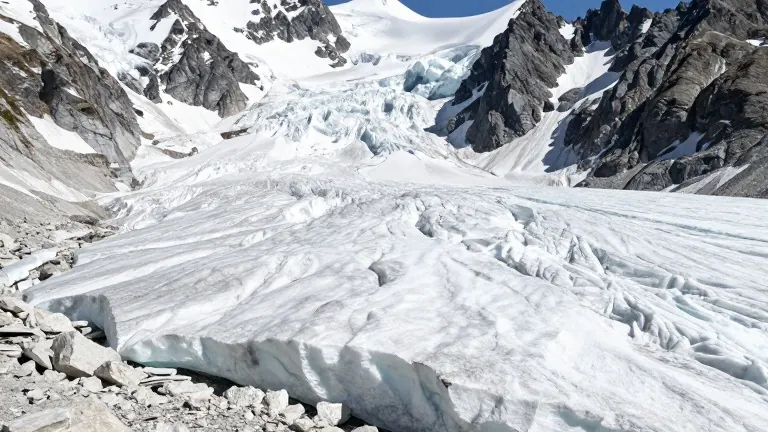
Two hundred and fifty unexploded weapons surfaced from the retreating ice of the Dolomites this summer, forcing the Italian army to conduct a large-scale defusal operation in the high peaks of Trentino Alto Adige.
The Julia Alpine brigade neutralized the ordnance, which consisted of 18 Italian 75mm artillery shells and 37 Thevetot mortar shells. These devices were manufactured in France but supplied to the Italian royal army during the conflict. Soldiers also recovered other explosives from the area, bringing the total count to 250.
The weapons originated from the so-called white war, a brutal engagement between Austro-Hungarian and Italian troops across the treacherous, freezing terrain of the Alps between 1915 and 1918. For over a century, the glaciers preserved these dangerous artifacts in a state of suspended animation. Hikers reported sightings of the bombs during the summer months, primarily in the Canal San Bovo area of the Primiero Valley, which prompted the military sweep.
Stefano Morosini, a professor at the University of Bergamo and coordinator of heritage projects at Stelvio National Park, attributed the emergence of the munitions to global heating. He noted that the ice has conserved the items for more than 100 years, keeping many intact while others had already exploded. As the glaciers retreat at an accelerating pace, these relics surface with increasing frequency and danger.
This discovery follows a decade of similar findings as melting ice reveals the physical remnants of the war. In 2015, a wooden barracks dug into a cave on Mount Scorluzzo reappeared after the ice seal melted away. Inside, soldiers found straw beds, clothes, lanterns, newspapers, postcards, coins, and tinned food in well-preserved condition. The shelter had been hastily abandoned when the war ended in November 1918.
The white war claimed more than a million lives, with most deaths caused by avalanches, falls, or hypothermia rather than combat. Dozens of bodies, some still in uniform, have emerged from the ice in the last 15 years. In 2017, relatives of an Italian soldier were able to bury him after documents identifying him were found with his remains on the Presena glacier.
Morosini warned that intense summer heat is making access to the glaciers increasingly unsafe for hikers. The Marmolada glacier broke off in 2022, killing eleven people. He advised visitors to report any explosive device found to the police immediately and to never touch it, regardless of its location.
Source: The Guardian