7 Million Israelis Choose Between War Leaders
A tight race pits Prime Minister Benjamin Netanyahu against former military chief Gadi Eisenkot as the country votes after three years of conflict.
By Arjun Shah ·
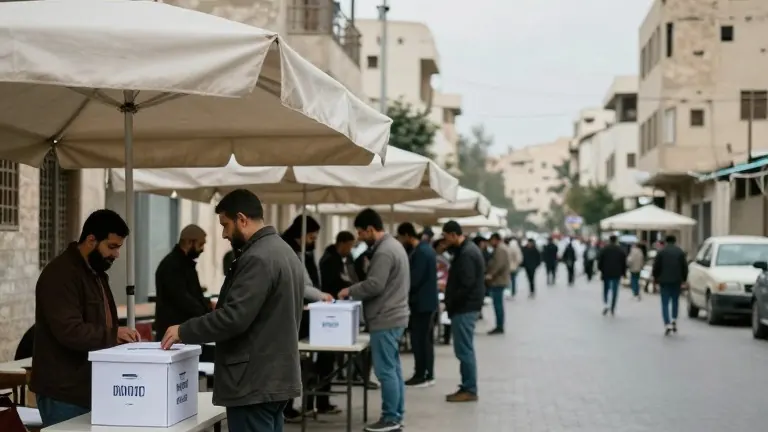
More than 7 million eligible voters went to the polls Tuesday in Israel to decide the next government. The election marks the first national vote since the October 7, 2023, Hamas attack that triggered the war in Gaza. Prime Minister Benjamin Netanyahu faces a challenge from former military chief Gadi Eisenkot and a bloc of parties seeking to end his rule.
Polls indicate a tight contest between the two main contenders. Israel’s parliamentary system requires leaders to build coalitions because no single party has ever won a majority on its own. Negotiations could stretch for weeks if neither side secures enough seats to form a government.
Arab-led parties aim to become decisive kingmakers in this fragmented political landscape. These groups are pushing for high turnout and may support one candidate over the other. Their choice could determine whether a coalition forms quickly or if the country faces a period of uncertainty.
Tensions with Iran loom over the voting process. Netanyahu increased warnings against Tehran ahead of the election. In a video released this week, he stood next to a missile-defense battery and told Iran it would face a devastating blow if it attacked Israel.
The vote also serves as a referendum on the character of the state. Supporters of Netanyahu view him as a steady hand who has guided the country through multiple wars. They credit him with protecting Jewish identity and checking an interventionist judiciary. Critics argue he is a polarizing figure who prolonged the war for political reasons. They accuse him of undermining the independent judiciary and allowing ultra-Orthodox men to avoid military service.
Eisenkot’s backers describe him as a capable leader with strong security credentials. His son and two nephews were killed in Gaza, a fact supporters say gives him a deep understanding of the conflict. Parties likely to support Eisenkot have pledged to improve Israel’s international standing. They also plan to conscript ultra-Orthodox men and bolster the independence of the courts.
Source: ClickOnDetroit WDIV