Israeli Shekel Drops as Election Results Stumble Into Deadlock
Currency and stock prices reversed gains after preliminary counts showed neither political bloc has a majority.
By Arjun Shah ·
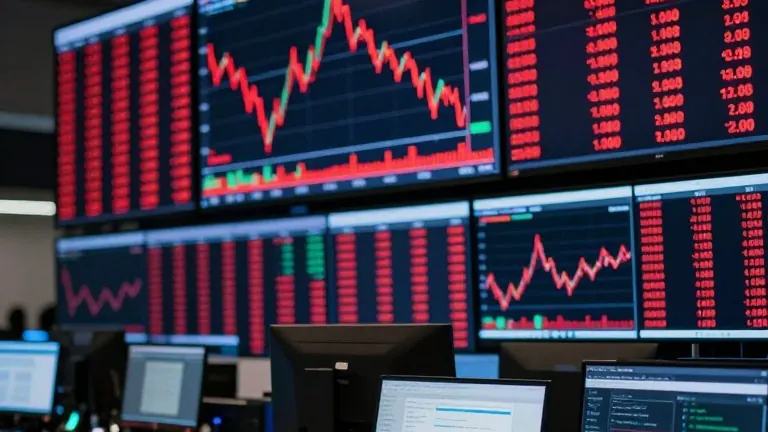
Israeli financial markets reversed course on Wednesday after preliminary election results indicated a political stalemate. The currency and equity sectors erased the gains investors had secured over the previous two days.
The shekel, which strengthened to about 3.02 Israeli new shekels per dollar on Tuesday, weakened to roughly 3.10 on Wednesday morning. This move represents a significant shift from the high level reached just 48 hours prior.
Stocks on the Tel Aviv Stock Exchange declined sharply in response to the news. The benchmark TA-35 index lost 2.85%, while the broader TA-125 index fell 3.3%. Construction shares suffered the steepest drop at approximately 8%. Real estate and insurance indices each shed more than 6%, and bank stocks declined by about 4%.
Borrowing costs also rose. The yield on Israel’s 10-year government bond increased by about 0.06 percentage points to near 4.1%. Higher yields indicate that bond prices fell as buyers demanded more return for holding the debt.
The market reversal followed a strong start to the week. On Monday, the last trading session before the vote, the TA-35 rose about 1.99%. Investors had anticipated that high turnout would favor the bloc opposed to Prime Minister Benjamin Netanyahu. That expectation led them to bet on a new government that could ease diplomatic tensions and reduce the risk premium attached to Israel.
Exit polls released when voting stations closed showed a narrow lead for the anti-Netanyahu bloc. However, the count fell short of the 61 seats needed for a Knesset majority. Overnight partial counts shifted the picture further. Estimates place Netanyahu's bloc at roughly 55 to 57 seats and the opposing bloc at around 47 to 50. The remaining seats went to Arab parties, leaving neither side with a clear path to power.
JPMorgan economists had estimated in late August that the election outcome could move the shekel by as much as 3%. The move since Tuesday is already close to that size. Research by the Tel Aviv Stock Exchange covering ten earlier election cycles found that volatility rose by as much as 45% in the weeks after the vote. Investors now focus on whether a stable government can form and who will lead the Finance Ministry as the 2027 budget process approaches.
Source: The Jerusalem Post
More Business · World news · Consumer Alerts · Report a business · Got a Story?