USDA commits $15 billion to farmers before November 3 vote
New federal payments aim to offset soaring diesel and fertilizer costs, though experts question if the aid fixes long-term industry problems.
By Stefan Kim ·
The White House has directed the Department of Agriculture to issue $15 billion in new payments and programs to agricultural producers ahead of the midterm elections.
The funds are intended to help farmers manage higher costs for diesel and fertilizer, expenses that have risen due to tariffs and the war in Iran. This $15 billion package sits on top of $13.8 billion in safety net payments already planned for the 2025 crop year for growers of corn, soybeans, wheat, and rice.
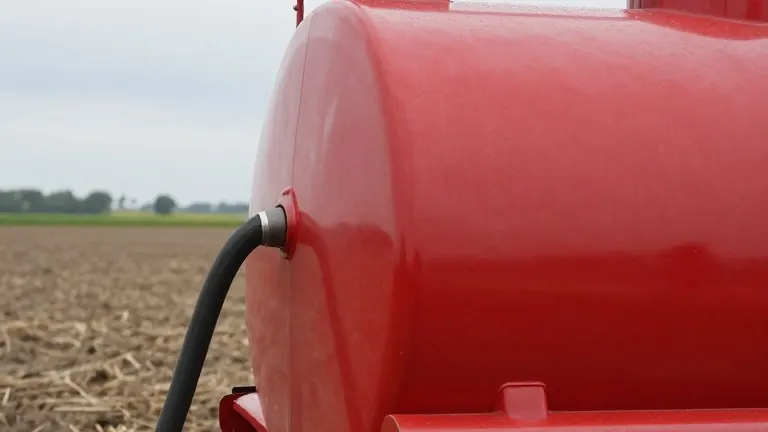
More than half of the new money will fund an $8 billion one-time payment plan for farmers facing high diesel prices. The agency stated it will release details this month, but it did not specify when the checks will arrive. Farmers rely on diesel for trucks, tractors, and combines, and the fuel has become a major expense.
Gregg Ibendahl, a farm management specialist at Kansas State University, estimated the payments would more than cover the increase in fuel costs. He noted the money could also help with high fertilizer prices. The administration also announced at least $5 billion in guaranteed loans for ranchers and fishermen. Additional funds include $1.8 billion for conservation program participants, $573 million for fertilizer manufacturing, and $57 million for meat processor expansion. On Thursday, the agency said it would purchase up to $472.5 million in agricultural commodities to support producers and charitable programs.
Diesel prices have driven the financial strain. On Friday, the average price was $6.32 per gallon according to AAA. That rate is 70% higher than the price from a year ago. Filling a 100-gallon tank now costs $260 more than it did twelve months earlier. Last year, tariffs raised equipment costs, and a trade dispute with China led to a near boycott of U.S. agricultural goods.
Experts say the ad hoc payments help farmers survive the year but do not resolve underlying market issues. Ibendahl noted that it is difficult for farmers to secure loans for the next season when their current profits depend on temporary government aid. Alexandra Middlewood, an associate professor of political science at Wichita State University, said farmers view the programs as one-time bailouts rather than long-term solutions.
Rural voters remain a key group for the Republican Party, though some policies have hurt the industry. Michael Smith, a political science professor at Emporia State University, observed that while many rural voters like the president, they may dislike specific policies such as immigration enforcement and cuts to foreign aid and SNAP. Middlewood said she does not expect rural voters to shift to the Democratic Party in Kansas, a long-time Republican stronghold. She added that independent voters, who may choose to sit out the election, will likely decide the outcome in competitive seats.
Source: WLAU
More Business · Consumer Alerts · Report a business · Got a Story?