CoreWeave debt hits $35.1 billion as neocloud stocks drop
Analysts warn 80% of AI data center firms will fail by 2030, while investors demand higher returns on loans.
By Arjun Shah ·
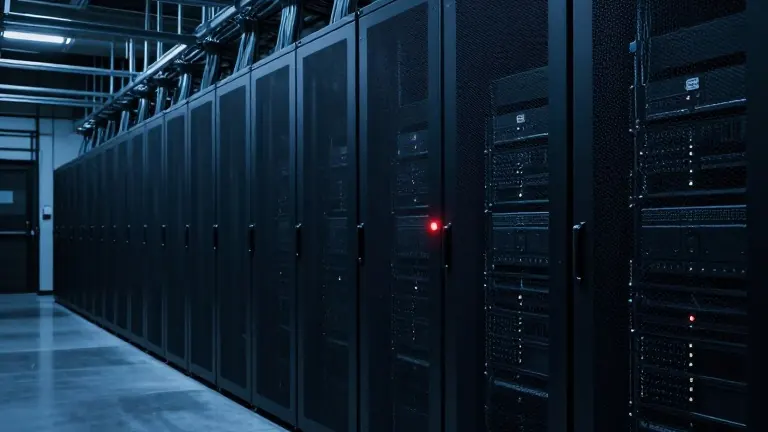
CoreWeave carries $35.1 billion in debt, a figure that has intensified scrutiny of the neocloud sector. These data center firms lease high-end computing hardware to major AI developers. Investors are now questioning whether these companies can sustain their financial obligations.
Neoclouds fund their operations by signing long-term leases with large tech customers. They use these contracts and purchased AI chips as collateral to borrow money. Analyst Cory Johnson of The Quiet Period explains that lenders often rely on the creditworthiness of clients like Microsoft or Meta rather than the neocloud itself. This structure allows firms to accumulate substantial debt to pay for hardware upfront.
Market reaction has been sharp. CoreWeave stock lost 25% of its value over the past month. Shares in Nebius, IREN, and Applied Digital fell by similar margins. Debt investors are demanding higher returns from these firms. This volatility follows warnings from research groups. Gartner predicts that 80% of neocloud firms will cease independent operations by 2030. Forrester expects at least three firms to be acquired soon as finances tighten.
Treasury Secretary Scott Bessent dismissed the concern on CNBC, describing neoclouds as a small component of the overall ecosystem. However, the sector faces structural risks. Many firms originated in the crypto mining industry. CoreWeave started in 2017 as an Ethereum miner. IREN, Core Scientific, and Applied Digital also began in crypto. Nebius was formerly Yandex NV, a Russian technology company that split off in 2024.
The success of these data centers depends on the spending habits of hyperscalers. Melissa Otto of S&P Global Visible Alpha Research calls the current situation an arms race with enormous spending. Charlie Dai of Forrester notes the model creates greater financial risk if customers adjust their budgets. When Microsoft and Google forecast lower AI spending than expected this week, neocloud shares tumbled.
Elon Musk recently suggested the sector faces guppy-level death and consolidation. He predicted more than 200 firms would struggle, with the smallest being most vulnerable. Yorkville Ives analysts counter that demand for computing power still exceeds supply. They argue neoclouds fill a gap that larger operators cannot address.
Recent events test the sector's resilience. Microsoft cancelled a deal with British firm Nscale due to power supply issues that may last until 2030. Australia's Firmus paused its initial public offering plans. Analyst Bradley Tusk of Tusk Ventures says neoclouds will face collateral damage if the AI market bubbles burst. Johnson concludes there is reason to worry about the sector's future stability.
Source: Casualty
More Business · Consumer Alerts · Report a business · Got a Story?