Whitmer's successor must steer Michigan's $4.8 billion budget
Five candidates face off on data centers and cost of living as voters choose a new governor in November.
By Sofia Wisniewski ·
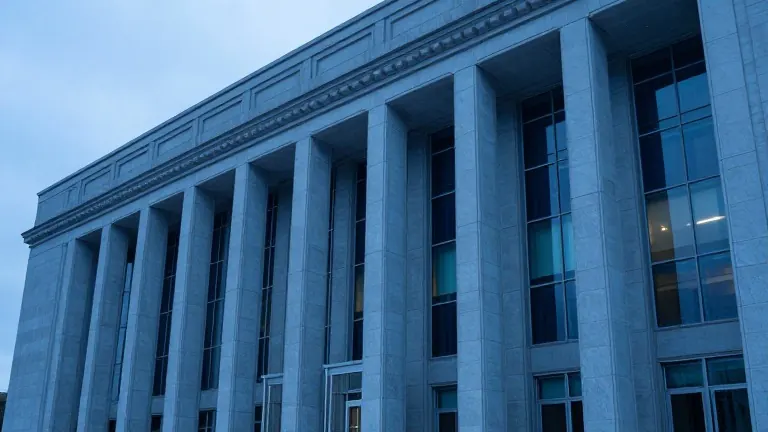
Gretchen Whitmer's term as governor of Michigan ends in the November 2026 midterm election. Five candidates appear on the ballot to succeed her. The winner will control the state's executive branch and direct its response to economic and infrastructure challenges.
The next governor will manage a state budget that interacts with the Legislature to pass laws and hire agency leaders. The office also shapes Michigan's relationship with federal officials. Michigan Public sought interviews with all five contenders to document their policy positions. Republican John James declined the invitation. The other four candidates provided statements on key issues.
Voters across the state report that rising prices are outpacing wage growth. This economic squeeze stems from national and international factors that limit the governor's direct control. However, state leaders can take specific actions to help residents make ends meet. Candidates outlined their approaches to these financial pressures during the interview process.
Data centers have become a major point of contention in Michigan. Residents, businesses, and officials have engaged in intense debates over the location of new facilities. The incoming governor will have the authority to alter the state's current approach to these projects or maintain the existing strategy. This decision will affect land use and community planning.
Polls indicate that threats to democracy are a top concern for Michigan voters. As chief executive, the next governor will decide which issues to prioritize. The role involves coordinating with other elected officials to address these perceived or actual threats. The candidates' responses to these questions form the basis for voter comparisons in the final weeks of the campaign.
Source: Michigan Public