Tesla Pursues SpaceX Merger to Power Its Autonomous Future
Elon Musk revealed that his two companies are exploring a combination to secure funding for a shift from car sales to high-margin software and AI services.
By Arjun Shah ·
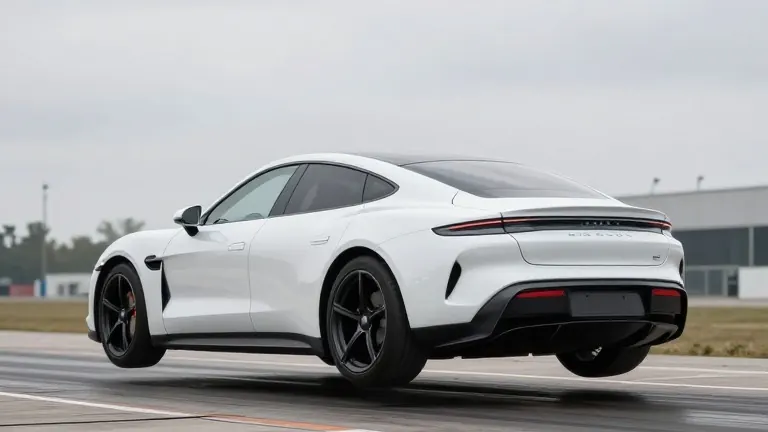
Elon Musk disclosed five days after his flying Roadster stunt that Tesla and SpaceX are exploring a merger. The move aims to accelerate the development of autonomous driving technology and reshape the automotive industry's financial model. The initial spectacle, which used compressed-gas thrusters developed by SpaceX, captured global attention, but the underlying business strategy is more complex.
Automakers are moving away from a pure vehicle sales model toward recurring revenues from software and AI-powered services. Dan Ives, a tech analyst and partner at merchant bank Yorkville Ives, described the software component as a "golden goose" due to its high margins. This shift is a direct response to intensifying competition, particularly from Chinese rivals who are winning the electric vehicle market while simultaneously investing heavily in autonomous driving technology.
Despite the strategic pivot, the car business remains the primary source of capital for Tesla. It generates 75 percent of the company's total revenues. These funds are essential for the heavy spending required in artificial intelligence to compete with major technology firms. Musk's competitive environment differs sharply from 2008, when Tesla launched its first battery-powered Roadster. Today, the company faces entrenched rivals in both hardware and software.
Musk has adjusted his long-term sales targets in light of these challenges. His earlier goal of selling 20 million vehicles annually by 2030 has been reduced to 5 million. That revised figure remains ambitious, especially since Tesla delivered only 1.6 million vehicles last year. Analysts identify the company's "Full Self-Driving" software as the key near-term driver for reaching the 5 million sales mark. Despite the name, the system still requires a human driver to remain attentive and present in the vehicle.
Source: Ars Technica
More Business · Consumer Alerts · Report a business · Got a Story?