Hong Kong Fire Accountability: Housing Secretary Resigns After Oversight Failures
An independent report blames inadequate supervision and contractor shortcuts for the deadliest fire in decades, killing 168 people.
By Stefan Kim ·
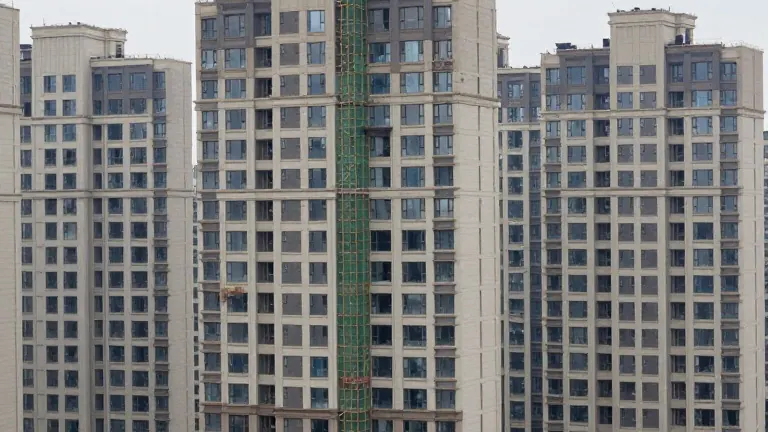
Hong Kong has long relied on centralized administrative oversight to manage its dense urban housing stock, a system currently under scrutiny following a catastrophic residential fire. Chief Executive John Lee accepted the resignation of Housing Secretary Winnie Ho on Wednesday, citing findings from an independent committee that identified systemic failures in regulatory supervision.
The fire began on November 29, 2025, when a lit cigarette ignited materials on the flat roof between two apartments in Wang Cheong House. The blaze rapidly spread across seven buildings in the Wang Fuk Court complex in a northern suburban district. The incident resulted in 168 deaths and displaced thousands of residents who have waited nearly a year for answers regarding the safety of their homes.
At a news conference on Thursday, Lee and seven other senior officials bowed in apology. Lee stated that Ho should bear political responsibility, although the investigation found no evidence of personal wrongdoing. He announced a three-month inquiry into the Housing Bureau, Buildings Department, Fire Services Department, and Labor Department to determine if individual staff members were derelict in their duties.
The committee’s report identified specific material and procedural failures that allowed the fire to spread. Experts noted that foam boards, non-fire-retardant scaffolding nets, and canvases fueled the flames. Maintenance workers had replaced staircase windows with movable aluminum composite panels or wooden boards for convenience, allowing smoke to infiltrate escape routes. Opaque foam boards covering the apartments’ windows blocked residents’ views, delaying evacuation. The fire alarm system was also shut down during the incident.
Most fatalities were caused by smoke inhalation rather than burns. The report stated that evidence clearly demonstrated that Will Power Architects Company, the project consultant, and Prestige Construction & Engineering Co., the main contractor, had cut corners. The committee described them as the main culprits responsible for the high fatality count. It also found that several registered contractors and building professionals lent their names to statutory forms without performing substantive work, a practice that deceived regulators who relied on the good faith of the industry.
The Housing Bureau’s independent checking unit and the Buildings Department failed to properly investigate complaints regarding the use of foam boards and the fire-retardant quality of scaffolding nets. The report criticized the checking unit for notifying consultants and contractors before site inspections, a practice that allowed them to prepare or correct issues before officials arrived.
Civil authorities have charged seven individuals and two companies with offenses including manslaughter and conspiracy to defraud. The allegations state that the two firms conspired to conceal previous litigation records to secure the renovation contract, which was worth more than 300 million Hong Kong dollars, or over $38 million. Officials have also proposed new measures, including criminalizing bid rigging, to prevent similar oversights in the future.
Source: ABC News